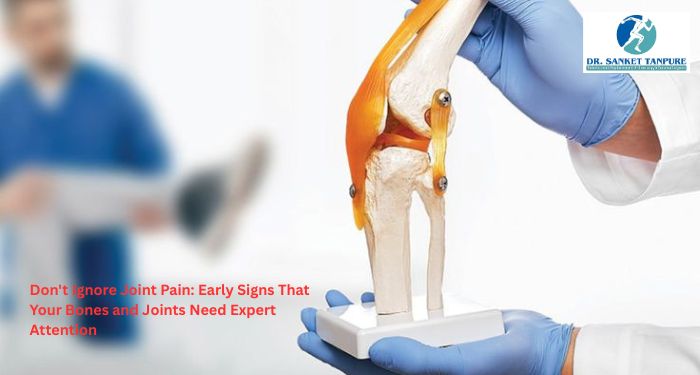
Joint pain, stiffness, and mobility problems are common complaints among people of all ages. While occasional discomfort may result from overexertion or minor injuries, persistent pain should never be ignored. Healthy bones, joints, muscles, and ligaments are essential for maintaining an active lifestyle, and any problem affecting them can significantly impact daily activities.
Seeking timely care from an Orthopedic Surgeon in Pimpri Chinchwad can help diagnose the underlying cause and prevent long-term complications.
Understanding Orthopedic Problems
Orthopedic conditions affect the musculoskeletal system, which includes bones, joints, muscles, tendons, ligaments, and nerves. These structures work together to support movement, balance, and strength.
When any part of this system becomes injured or diseased, symptoms such as pain, swelling, stiffness, and reduced mobility can occur.
Common Orthopedic Conditions
Arthritis
Arthritis is one of the most common causes of joint pain, especially among older adults. It leads to inflammation, stiffness, and gradual wear and tear of joints.
Common symptoms include:
• Joint pain
• Morning stiffness
• Swelling around joints
• Reduced range of motion
Fractures
Bone fractures can occur due to accidents, falls, sports injuries, or weakened bones caused by osteoporosis.
Prompt treatment is necessary to ensure proper healing and prevent complications.
Sports Injuries
Athletes and physically active individuals frequently experience:
• Ligament tears
• Tendon injuries
• Muscle strains
• Meniscus injuries
Early intervention helps speed recovery and prevents long-term damage.
Back and Neck Pain
Poor posture, sedentary lifestyles, disc problems, and spinal conditions often contribute to chronic back and neck pain.
Orthopedic evaluation can identify the root cause and guide effective treatment.
Osteoporosis
This condition weakens bones, making them more prone to fractures. It often develops silently and may not be detected until a fracture occurs.
Joint Degeneration
Age-related wear and tear can affect the knees, hips, shoulders, and other joints, leading to pain and reduced mobility.
Warning Signs You Should Not Ignore
Consult an orthopedic specialist if you experience:
• Persistent joint pain
• Swelling around joints
• Difficulty walking
• Frequent fractures
• Limited movement
• Back or neck pain lasting several weeks
• Numbness or tingling sensations
• Sports injuries that do not heal properly
Ignoring these symptoms may worsen the condition and make treatment more challenging.
Importance of Early Diagnosis
Many orthopedic conditions respond better to treatment when identified early.
Benefits of timely diagnosis include:
• Faster recovery
• Reduced pain
• Improved mobility
• Prevention of joint damage
• Lower risk of surgery
• Better long-term outcomes
Early intervention can help patients maintain an active and independent lifestyle.
Diagnostic Methods Used by Orthopedic Specialists
An orthopedic surgeon may recommend:
• Physical examination
• X-rays
• MRI scans
• CT scans
• Bone density testing
• Blood tests for inflammatory conditions
Accurate diagnosis allows for a personalized treatment plan.
Treatment Options for Orthopedic Conditions
Medications
Pain relievers and anti-inflammatory medications can help manage symptoms.
Physiotherapy
Exercise-based rehabilitation strengthens muscles and improves joint function.
Lifestyle Modifications
Weight management, regular exercise, and proper posture can reduce stress on joints.
Minimally Invasive Procedures
Advanced techniques often provide faster recovery with smaller incisions and less discomfort.
Joint Replacement Surgery
For severe arthritis or joint damage, knee or hip replacement surgery may significantly improve quality of life.
Fracture Management
Treatment may include casting, splinting, or surgical fixation depending on the severity of the injury.
Tips for Maintaining Healthy Bones and Joints
To support musculoskeletal health:
• Exercise regularly
• Maintain a healthy weight
• Eat calcium-rich foods
• Ensure adequate vitamin D intake
• Avoid smoking
• Practice good posture
• Use proper techniques during physical activities
• Seek treatment for injuries promptly
Healthy lifestyle habits can reduce the risk of orthopedic problems and support long-term mobility.
When Should You Visit an Orthopedic Surgeon?
You should consult an Orthopedic Surgeon in Pimpri Chinchwad if pain, stiffness, swelling, or movement difficulties interfere with daily activities. Delaying treatment can result in worsening symptoms and reduced quality of life.
Expert orthopedic care can help restore function, relieve pain, and improve overall mobility.
Conclusion
Joint pain and musculoskeletal problems should never be considered a normal part of aging. Whether you are experiencing arthritis, fractures, sports injuries, back pain, or mobility issues, early diagnosis and treatment are crucial. Consulting an Orthopedic Surgeon in Pimpri Chinchwad can help identify the cause of your symptoms and provide effective treatment to keep you active, healthy, and pain-free.
FAQs:
Q1. When should I consult an orthopedic surgeon?
If you have persistent joint pain, fractures, sports injuries, back pain, or reduced mobility, an orthopedic consultation is recommended.
Q2. Can an orthopedic surgeon treat arthritis?
Yes. Orthopedic surgeons provide both non-surgical and surgical treatments for arthritis, depending on the severity.
Q3. What conditions do orthopedic surgeons commonly treat?
They treat fractures, arthritis, ligament injuries, sports injuries, spine disorders, joint pain, and bone deformities.
Q4. Is surgery always necessary for orthopedic problems?
No. Many orthopedic conditions can be managed with medications, physiotherapy, lifestyle changes, or minimally invasive procedures.
Q5. When is joint replacement surgery recommended?
Joint replacement may be advised when severe arthritis or joint damage significantly affects daily activities and quality of life.