
Definition:
Trauma and Fracture Surgery is a branch of orthopedic surgery focused on the diagnosis, treatment, and rehabilitation of patients who have sustained injuries to the bones, joints, or soft tissues due to accidents or falls. The goal is to restore proper alignment, stability, and function of the affected body part, ensuring optimal healing and mobility.
Causes:
Trauma and fractures can occur due to a variety of reasons, including:
Road Traffic Accidents: One of the most common causes of bone and joint injuries.
Falls: Especially in elderly individuals with weak bones or osteoporosis.
Sports Injuries: High-impact sports can cause fractures or joint dislocations.
Industrial or Workplace Accidents: Injuries from machinery or heavy objects.
Physical Assaults or Violence: Can result in bone fractures or soft tissue damage.
Pathological Fractures: Due to diseases like bone cancer or osteoporosis that weaken bones.
Symptoms:
Common signs and symptoms of trauma or fractures include:
Sudden and severe pain at the injury site.
Swelling, bruising, or deformity around the affected area.
Inability to move the injured limb or bear weight.
A cracking or popping sound at the time of injury.
Numbness or tingling sensation in the injured area.
Open wounds or visible bone protrusion in severe cases (open fractures).
Treatment:
Treatment for trauma and fractures depends on the type and severity of the injury. It may include:
1. Non-Surgical Treatments:
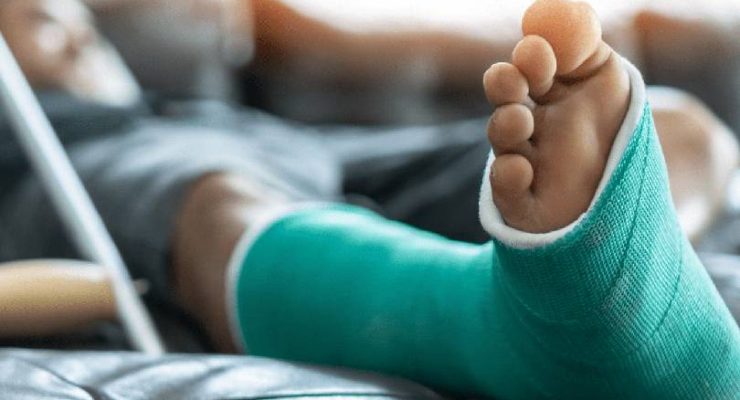
Immobilization: Using plaster casts, splints, or braces to keep the bone in place.
Traction: Gently pulling the bone to maintain proper alignment during healing.
Pain Management: Medications and physiotherapy for pain relief and recovery.
2. Surgical Treatments:
Internal Fixation: Use of metal plates, screws, rods, or nails to stabilize broken bones.
External Fixation: Metal frames are used outside the body to hold bones in proper position.
Joint Reconstruction: For complex fractures involving joints like the hip or knee.
Bone Grafting: Replacing or repairing bone loss using graft material.
3. Rehabilitation:
Post-surgery physiotherapy and exercises are essential for restoring strength, flexibility, and mobility.
Conclusion:
Trauma and Fracture Surgery plays a crucial role in restoring the body’s structure and function after serious injuries. With timely medical intervention, modern surgical techniques, and proper rehabilitation, patients can achieve excellent recovery outcomes. Early diagnosis, expert surgical care, and adherence to post-treatment therapy are key to regaining normal movement and preventing long-term complications.
Our Services
Menu
About Dr. Sanket Tanpure
Dr. Sanket Tanpure is an experienced orthopaedic surgeon with expertise in Arthroplasty, Arthroscopy and trauma surgeries. He has completed fellowships in hip and knee arthroplasty from Munich, Germany and fellowship in arthroscopy and arthroplasty from Mohali, Punjab.